

Security Detectors
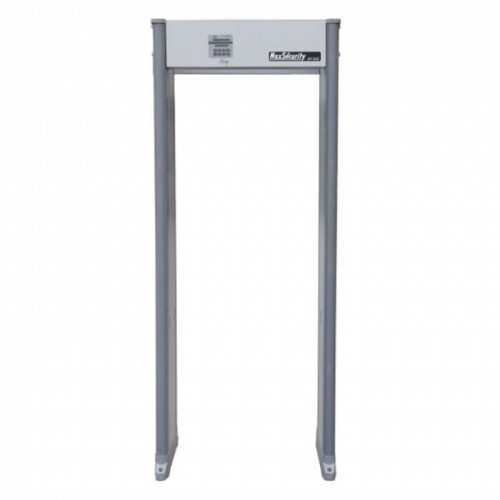
Juhong JH -33-Z Security Detector
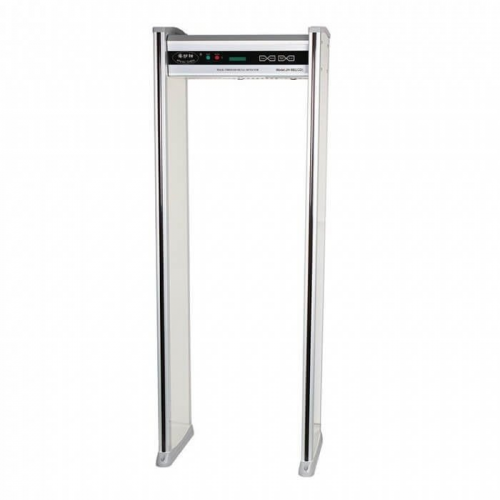
Junhong JH-5B Security Detector
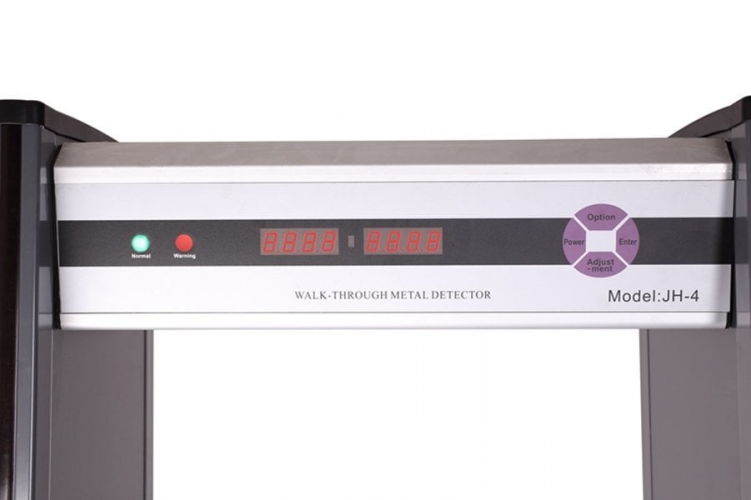
Junhong JH-4 Security Detector
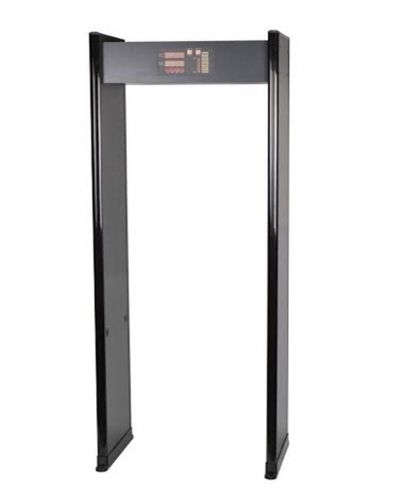
Junhong JH-3 Security Detector
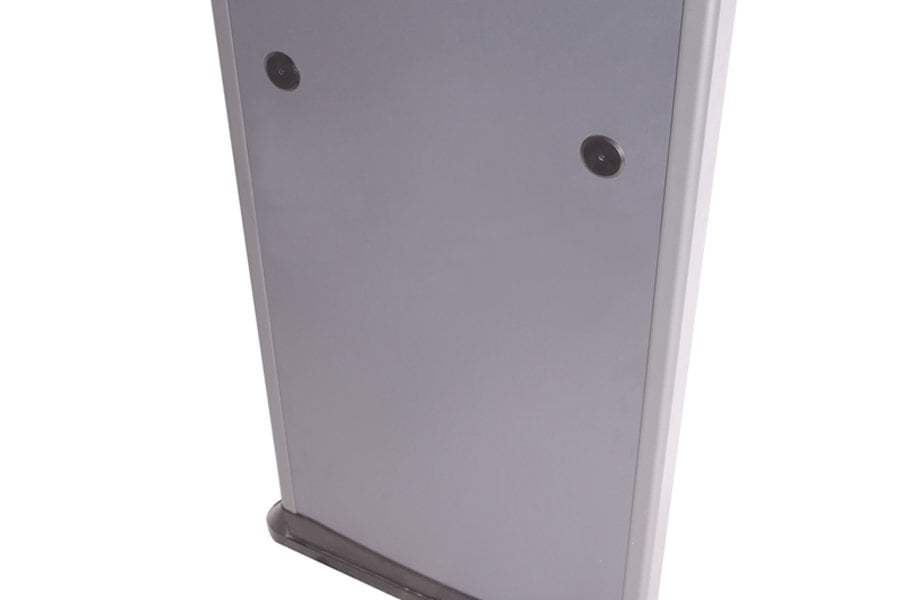
Junhong JH-1 Security Detectors
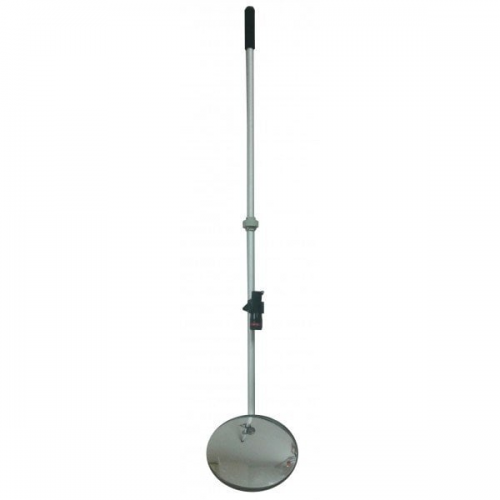
Junhong Under Vehicle Mirror
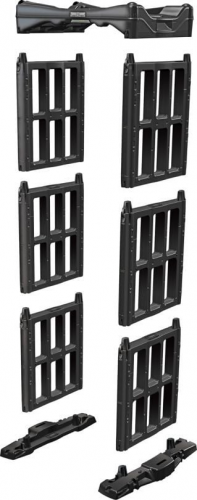
Fisher M-Scope
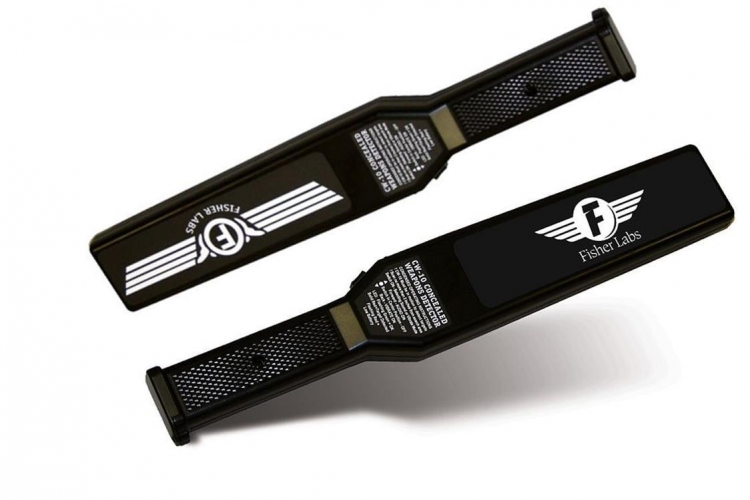
Fisher CW-20 Security Detector
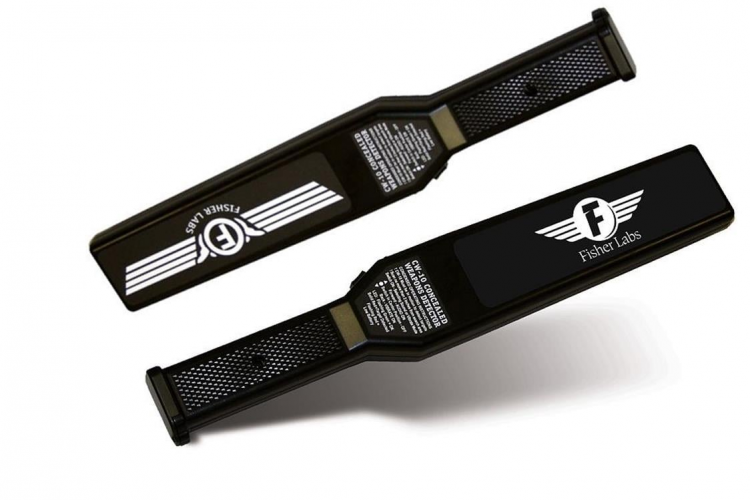
Fisher CW-10
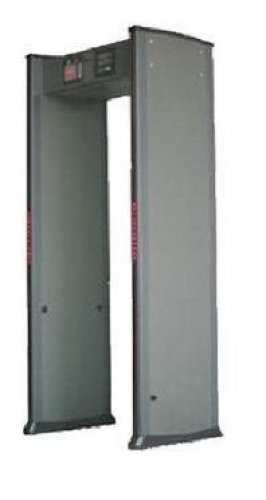
Powerguard PG 3000 King
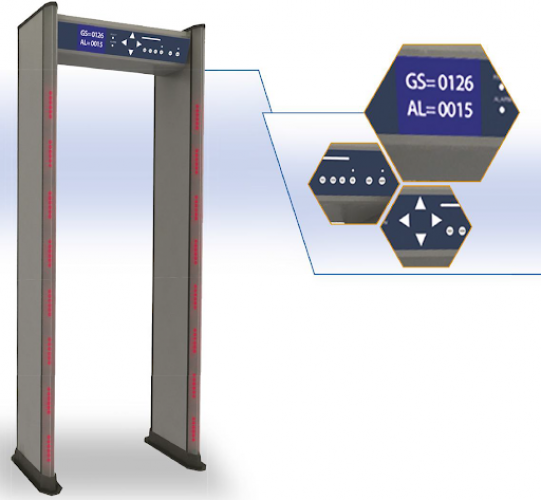
Powerguard PG-8000MV
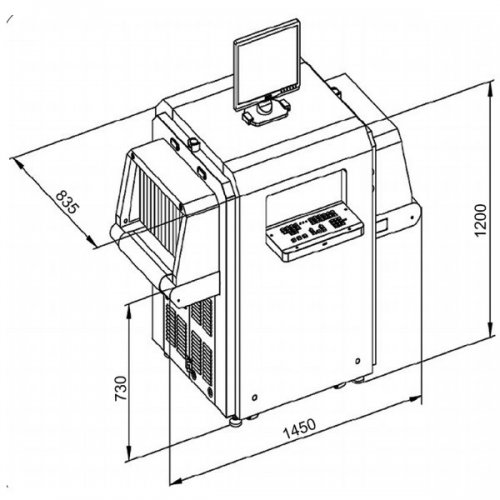
Powerguard PG-5030C Plus X-Ray
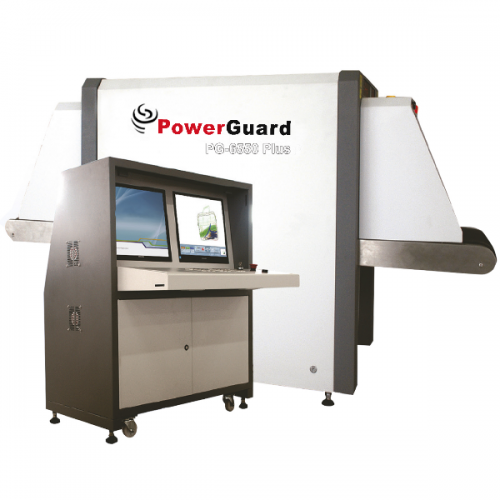
Powerguard PG-6550 Plus X-Ray
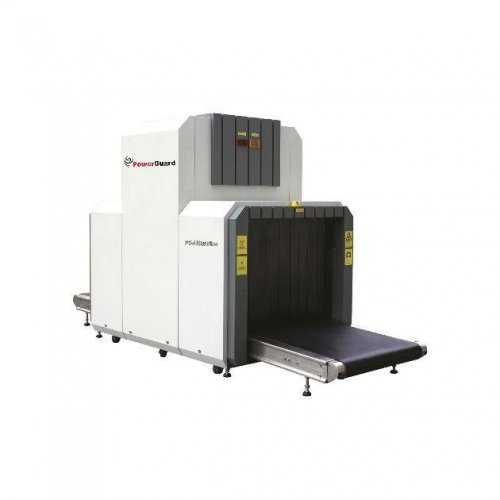
Powerguard PG-10080 Plus X-Ray
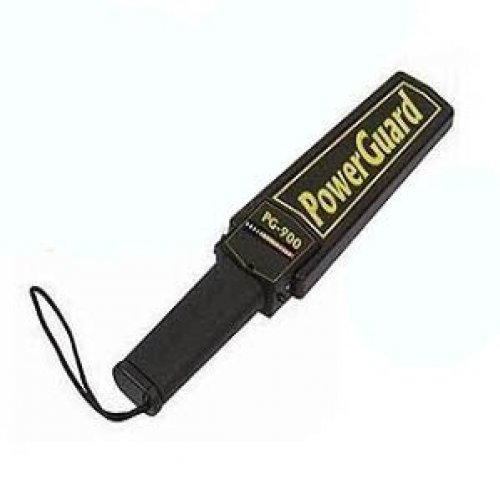
Powerguard PG-900 Body Search Detector
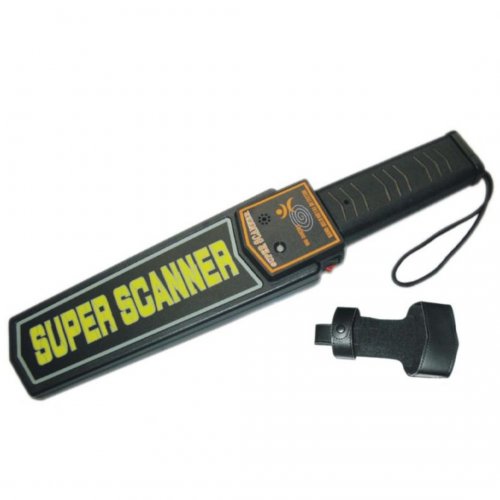
Power Guard Super Scanner Body Search Detector
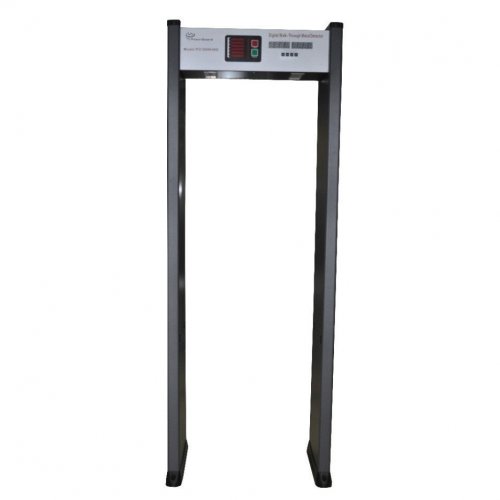
Powerguard PG-1000 Door Detector
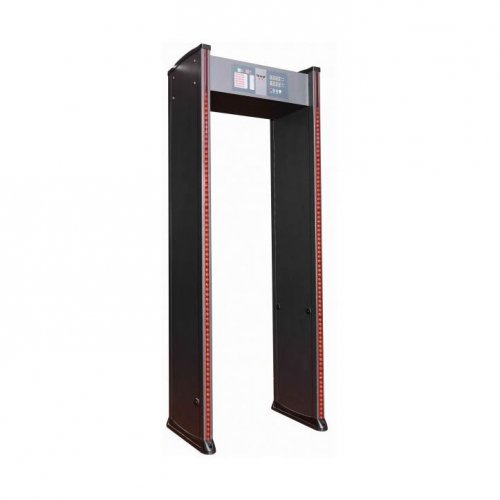
Powerguard PG-2000 King Door Detector
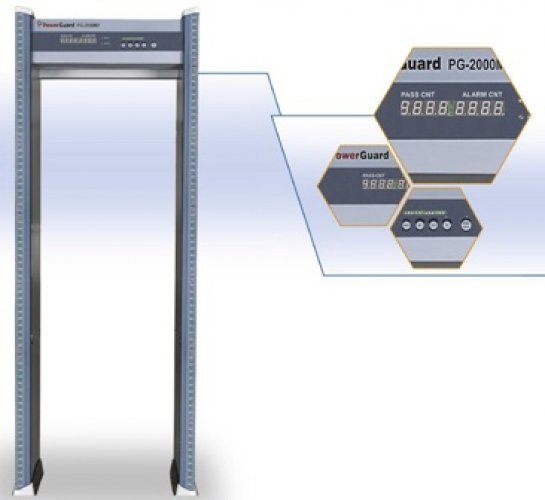
Powerguard PG-2000 MV Door Detector
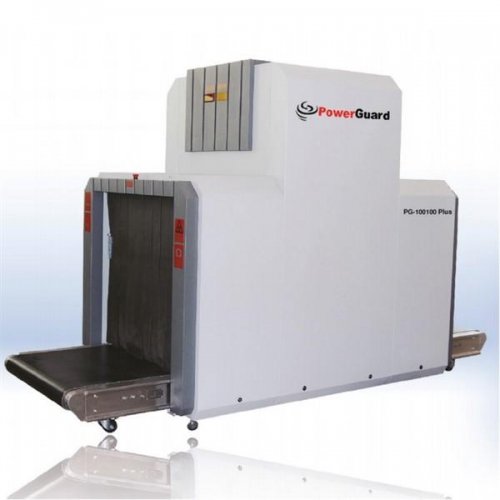
Powerguard PG-100100 Plus X-Ray
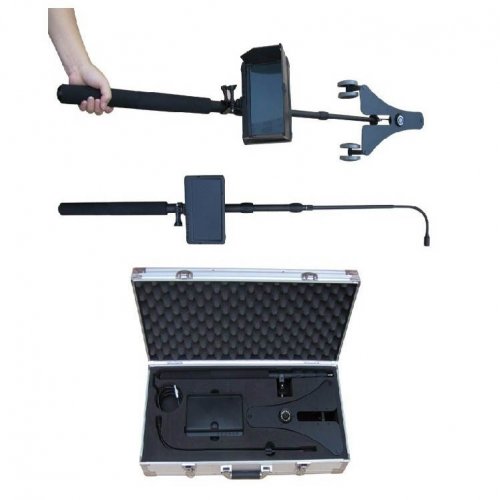
DB 1000 Under Vehicle Control System
Security detectors and entrance screening systems
Choosing security equipment starts with identifying what needs to be screened. Checking a visitor for metal, inspecting a bag and viewing the underside of a vehicle are separate tasks. The Mena Dedektör security category lists handheld metal detectors, walk-through systems, X-ray equipment and vehicle inspection tools. These products support different parts of an entrance procedure. Their presence in one collection does not mean that one device can perform every inspection. Start with the control point and the people operating it before comparing individual specifications.
A school receiving many people within a short period has a different workflow from an office receiving visitors by appointment. Queue space, bag handling, secondary screening and staff positions all influence the equipment required. Record the available entrance dimensions and observe busy periods before requesting a quotation. This provides a practical basis for comparing models. A product listing indicates that the model appears in the catalogue; current availability, supplied accessories and delivery arrangements should be confirmed separately.
Handheld and walk-through metal detectors
A walk-through metal detector evaluates responses as a person passes through its screening area. A handheld detector allows an operator to examine a smaller area more closely. In many installations, these are complementary stages. Using only a handheld device for a large visitor flow can increase the time staff spend screening each person. Equally, an alarm from a walk-through system does not explain the nature of the object that produced it. The next action depends on the organisation's established procedure.
The listed Fisher M-Scope walk-through detector and Fisher CW-10 handheld detector illustrate these two approaches. Check the documentation for the exact model when considering portability, installation and alarm presentation. Do not transfer a feature from one product in a manufacturer's range to every other model. Passage dimensions, environmental suitability and power arrangements require particular attention because they affect whether equipment fits the intended location.
Metal detection responds to metallic objects. It is not a universal method for identifying every hazardous substance. An alarm also does not establish that an object is dangerous: everyday possessions can produce a response. Equipment supplies information within a screening process, while authorised staff apply the organisation's rules. Keeping this distinction clear helps buyers define realistic requirements and avoids treating a device as a complete security plan.
Security detector models: equipment comparison
Breaking an entrance workflow into individual tasks makes comparisons easier. The table below identifies questions to resolve during planning. It is a selection aid, not a performance test or a statement that a particular model carries a specific certification. More than one equipment type may be needed at the same entrance, depending on the objects being checked and the procedure in use.
| Screening task | Equipment to consider | Planning question |
|---|---|---|
| Routine screening of people | Walk-through metal detector | Is there space for installation and alarm follow-up? |
| Checking a localised alarm area | Handheld metal detector | Are handling, alerts and operating time suitable for staff? |
| Examining bags and packages | X-ray inspection system | Do the tunnel, conveyor and operator position fit the workflow? |
| Viewing vehicle undersides | Inspection mirror or imaging equipment | Does the viewing arrangement suit the working conditions? |
X-ray inspection presents an image that requires interpretation; it should not be confused with the alarm process of a metal detector. Vehicle inspection mirrors provide a view of otherwise difficult areas and should not be assumed to perform chemical analysis or automatic threat identification. When browsing Powerguard security equipment, compare handheld, walk-through and X-ray products within their respective roles. Similar branding does not make their functions interchangeable.
Walk-through detector installation and entrance throughput
Practical throughput depends on more than walking speed. Removing personal items, placing bags on a separate inspection route, resolving alarms and directing visitors all take time. An installation that works comfortably during normal hours may develop a queue when an event begins. Consider both typical demand and short periods of concentrated arrivals. If a manufacturer provides a throughput figure, ask which conditions and operating procedure it assumes before using that number in your layout plan.
Nearby metal doors, moving barriers, electrical equipment and other detectors can affect operating stability. Follow the model's installation instructions for separation and positioning instead of estimating distances. A site assessment should include normal door movements and nearby equipment operating as they would during screening. Quiet operation in an empty demonstration area does not establish that a device will behave identically at a busy entrance. Site conditions need their own evaluation.
Outdoor suitability also requires documentation. A robust-looking housing or a portable design does not establish resistance to rain, dust or temperature extremes. Check environmental limits and protection requirements for connectors and power supplies. Cable routing, stable installation, accessible passage and emergency exit arrangements should be considered together. Equipment should fit the existing entrance and evacuation plan, with responsibilities for installation and checks clearly assigned.
Metal detector alarm settings and routine checks
Maximum sensitivity is not automatically the appropriate setting. Excessive nuisance alarms can increase the workload involved in resolving alerts, while insufficient sensitivity may fail to meet the intended screening requirement. Settings should follow the organisation's objectives and the manufacturer's documented method. A recorded starting configuration and an authorised adjustment process are more useful than allowing settings to vary unpredictably between shifts. Staff should understand what they are permitted to adjust and when further assistance is needed.
A daily check should establish more than whether the detector powers on. Follow the manufacturer's approved test method to confirm that alarms operate, indicators remain readable and the power supply is adequate. Repeat the relevant checks after moving the equipment or changing its configuration. Testing and calibration may be separate procedures with different purposes. Use the instructions for the supplied model and record the local operating process so that different staff members can carry it out consistently.
For handheld equipment, balance, grip and the clarity of alerts matter during repeated use. If vibration or visual alerts are available, establish how operators should interpret them in the working environment. Handling technique and scanning pace can affect consistency. Ease of use therefore means more than a small number of buttons: it includes whether staff can apply the same procedure comfortably throughout a shift.
Buying security detectors: quotations and delivery checks
Prepare a short requirements note covering location, peak traffic, how often equipment will be moved and the objects to be inspected. Compare exact model references, included power supplies, accessories and installation requirements against that note. Different packages may contain different components. The same approach applies when reviewing Junhong security products: establish each model's intended role and supplied equipment rather than relying on the family name alone.
Clarify maintenance responsibilities, the process for reporting a fault and the language of the supplied documentation. Warranty, service and training provisions should be assessed against confirmed written terms. Check that any conformity documentation refers to the model and version being offered. At delivery, compare the equipment identity and accessories with the order. This turns a specification comparison into a practical purchasing decision based on the entrance where the equipment will operate.
Browse the security products above by screening task, then compare the shortlisted models for installation, handling and package contents.
Security detector prices: handheld, walk-through and X-ray equipment
Handheld metal detectors, walk-through systems and X-ray equipment should be treated as distinct product groups when comparing prices. Placing them in one price ranking does not explain which screening task each purchase addresses. A handheld unit's power and warning options differ from a walk-through system's installation requirements, while X-ray equipment involves its own imaging and layout needs. Define what will be screened and how the entrance operates before comparing offers for models that perform the same task.
For walk-through detectors, identify the exact model, supplied components and installation scope. Handheld packages may differ in charging equipment, carrying accessories or included power sources. Do not assume that every item in a photograph is supplied as standard. An X-ray quotation should clarify delivery to the site, positioning and preparation for use as well as the machine itself. The offer should state which parts of that process are included in the equipment price.
Use the product cards to review current listings and form a shortlist. Compare taxes, delivery times, quotation validity, warranty and service terms before deciding. A more expensive model is not automatically better suited to the institution's entrance. Instead of paying for functions with no defined purpose, consider the required layout, staff use and follow-up screening process. Offers prepared for the same scope make both the initial purchase and the operational requirements easier to understand.
Which security detector is best for your organisation?
The answer depends on a defined screening plan. Equipment installed permanently at one entrance and equipment transported between events may have different priorities. A fixed installation needs assessment of the doorway, surrounding metal and staff positions; a portable setup also needs repeatable assembly and suitable transport arrangements. Portability by itself does not establish a higher or lower security level. Consider the documented function of the specific model and its verification in the intended setting.
Review Fisher, Powerguard and Junhong options at individual product level. A feature in one brand's walk-through detector should not be assumed to apply to its handheld unit. Check the passage area, alert format, power requirements and environmental limits in the relevant documentation. If the institution requires a particular conformity document, verify that it identifies the model and version being offered. General brand information does not establish that every listed product meets the same requirements.
Staff feedback during a demonstration can be useful. The clarity of alerts in the surrounding environment, access to controls and comfort during repeated operations all affect day-to-day use. Assess these practical factors separately from detection performance. Demonstration conditions should reflect the intended setting and use the manufacturer's specified checking method. This makes it possible to judge the equipment as part of a workable entrance procedure rather than through catalogue features alone.
X-ray baggage scanners and under-vehicle inspection options
Organisations considering an X-ray baggage scanner should first define the sizes of bags and packages to be inspected. The tunnel opening, conveyor workspace and operator position need to be considered together. Physical space for the machine alone is insufficient: visitors also need to place and retrieve items without disrupting the entrance flow. Do not infer every dimension or technical capability from the numbers in a model name. Use the full product documentation for dimensions and installation requirements.
When reviewing imaging features, discuss which information the operator will interpret and how. A colour display or software tool does not establish automatic, error-free recognition of every object. Training scope, operating documents and routine function checks should be clarified in the quotation process. Products such as Powerguard X-ray systems address a different task from detecting metal carried by people. Their presence at the same entrance does not make their functions interchangeable.
For under-vehicle inspection, define the viewing area, lighting and working arrangement before comparing a mirror with an imaging system. A handheld mirror helps an operator inspect a surface directly. If recording or automatic comparison is required, verify that the specific model supports it; the category name alone does not establish those functions. When shortlisting Mena Dedektör's security products, distinguish the screening of people, belongings and vehicles. This helps bring suitable equipment together within a coherent entrance control plan.
Frequently Asked Questions (FAQ)
Can a handheld detector be useful alongside a walk-through system?
Yes. It can support a more localised check following an alarm. Whether it is required depends on the screening procedure and staffing arrangements at the entrance.
Does a metal detector identify every hazardous substance?
No. Its function is to respond to metal. The same detection expectation cannot be applied to threats that contain no metal; the security plan should consider the appropriate combination of methods.
Can several walk-through detectors operate side by side?
This depends on the models and their installation requirements. Check the manufacturer's separation guidance and any coordinated operation settings, then verify the proposed arrangement at the actual site.
Does an X-ray system replace handheld screening?
Bag and package imaging is a different task from checking a person for metal. Having one system does not automatically cover the purpose of the other.
Is portable equipment always suitable for outdoor use?
No. Portability does not establish weather resistance. Check the exact model's environmental limits and the protection requirements for its connections and power supply.