

GER Area Scanning Detectors

GER area scanning detectors and product choices
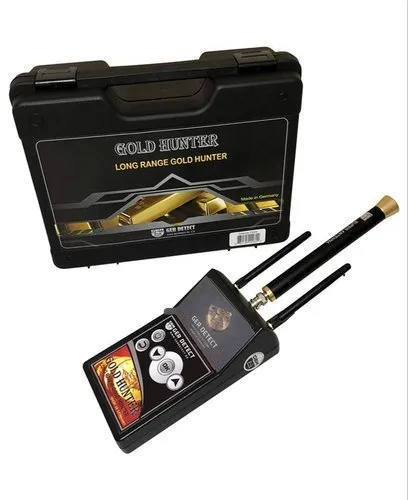
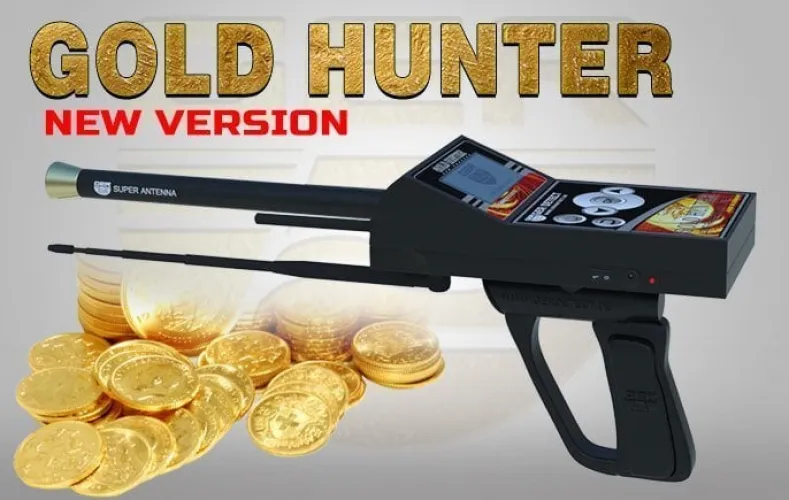
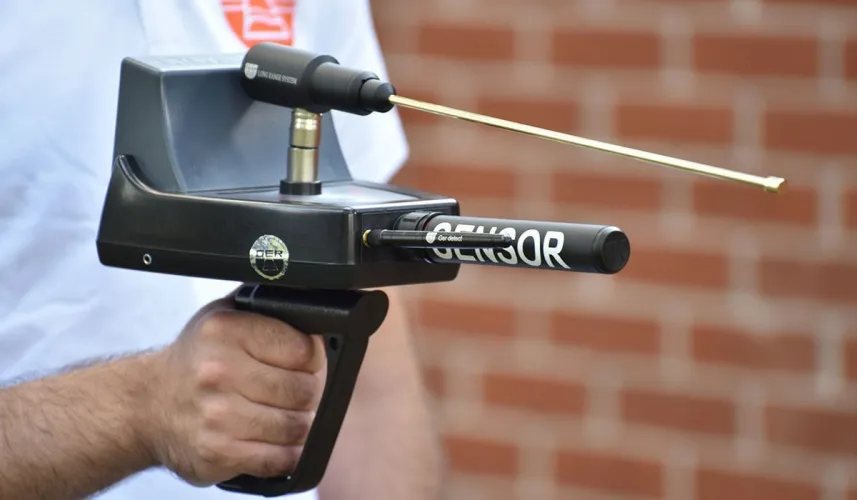
This GER category contains Ger-Diamond Hunter, Ger-Gold Hunter, Titan Ger Gold Hunter Device and Titan Ger 400 Smart. These names lead to separate product listings. When comparing the range, use the full model identity, version and supplied components instead of relying on shared words such as Hunter or Titan.
A useful question when researching GER equipment is how the different advertised search systems are separated. Modes selected from the same control unit may involve different hardware and interpretation procedures. Knowing which component belongs to each mode makes the comparison clearer. Information about one system should not be treated as evidence of another system's performance.
GER Diamond Hunter and Gold Hunter models
The pages for Ger - Diamond Hunter and Ger - Gold Hunter provide separate starting points for reviewing these products. A target named in a product title can describe its marketed application, but the name itself is not a measurement demonstrating selective identification of that material. Establish how the output is produced, under what conditions it is evaluated and what information the operator receives.
The list also contains a separate Titan Ger Gold Hunter Device entry. Before ordering, clarify whether similarly named offers refer to different versions, packages or products. Use the equipment label and documentation to resolve the identity. Accessories shown with one listing should not automatically be assumed to accompany another.
Understanding Titan GER 400 Smart search systems
Manufacturer documentation for Titan Ger 400 Smart Area Scanning describes a VLF electromagnetic search mode separately from modes labelled long-range and ionic. That distinction matters when evaluating the device: evidence about a VLF response does not automatically validate claims for the other modes. Examine each mode's search component, settings and output individually.
For a device offering several systems, count the functions you actually intend to use rather than simply comparing the total number of modes. Identify the parts required for each function. If switching modes changes connections or setup steps, ask to see the full transition during a demonstration. This turns a broad multi-system description into an operating sequence you can assess.
| Review area | Information to record | Purpose |
|---|---|---|
| Model identity | Label and version | Separate similar names |
| Search mode | Hardware and working method | Distinguish the systems |
| Indicator | User setting or measured output | Understand the information |
| Package | Components required per mode | Calculate the complete cost |
GER area scanning detector prices
Review the current product cards and written quotations for GER prices. Where equipment offers several operating options, check which accessories are included in the displayed package. Offers with the same model name may still have different contents.
Include necessary power equipment, carrying arrangements and any quoted services in your comparison. If training is offered, establish which modes and language it covers. Review warranty terms and the service procedure separately. Comparing the component and service lines in two quotations is more informative than comparing headline prices alone.
Which GER detector is best for your application?
Start with the working method you need. A device bought for one frequently used function may be assessed differently from a package intended for several stages of an investigation. Understanding the controls, transporting the components and recording the procedure are practical considerations alongside technical suitability.
The main area scanning detectors category explains how area scanning terminology relates to other detection methods. Within your GER comparison, assess each claim using evidence appropriate to that particular method. A response from a metal search coil and a long-range direction indication are different types of information. User experiences should also be read in the context of the model, mode and conditions involved.
Preparing for a GER demonstration
Use the version and package you intend to purchase. Record setup steps, settings and outputs separately for each mode. Consult the operating instructions to understand what changes when switching systems. Watching the equipment being assembled from the beginning can be more useful than seeing only a demonstration with everything already configured.
Alternative targets and empty controls help avoid conclusions based on one selected example. If material identification is being evaluated, decide beforehand which other materials will be included. Reviewing GER products through complete identities, clear packages and model-specific instructions provides a more structured basis for choosing equipment.
Frequently Asked Questions (FAQ)
Which GER products are listed in this category?
Diamond Hunter, Gold Hunter, Titan Ger Gold Hunter Device and Titan Ger 400 Smart are listed.
Are all Gold Hunter offers the same package?
A shared name is insufficient. Compare the full model identity, version and supplied items.
Do all Titan 400 Smart modes use the same method?
No. Manufacturer descriptions treat VLF, long-range and ionic modes separately. Review each with its own hardware and evaluation conditions.
Is the number of systems enough to compare GER prices?
No. Consider the functions you need, their required components and the included services.
Does the name Diamond Hunter establish certain diamond identification?
No. A product name is not proof of material identification. Review model-specific evidence and the conditions used to assess the claim.