Industrial Detectors
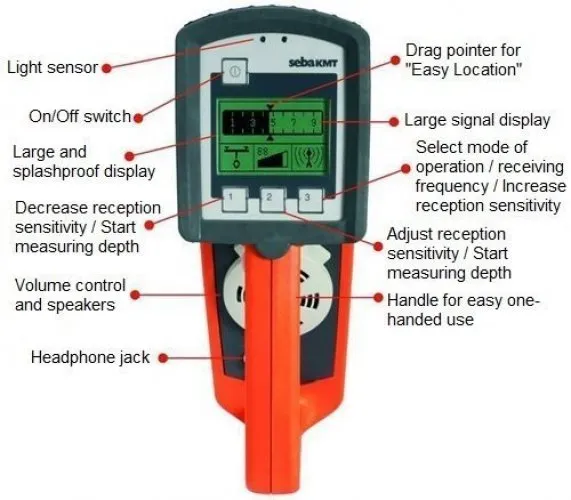
Seba KMT Easyloc
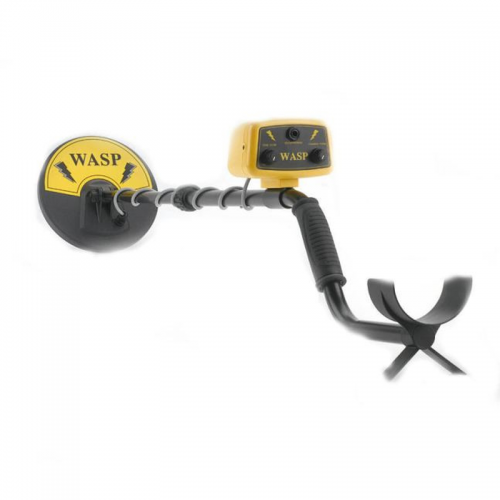
Viking Wasp II - Manhole Cover, Valve, Manhole Detection
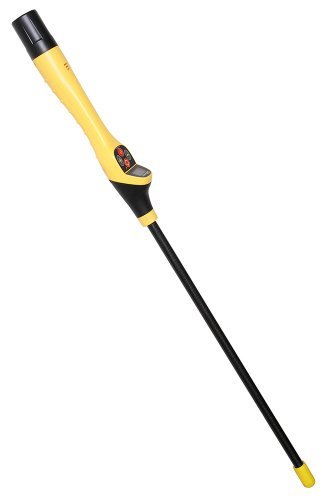
Seba KMT - VM 880
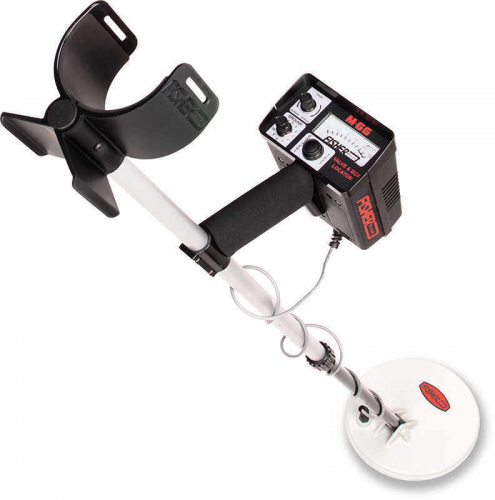
Fisher M-66
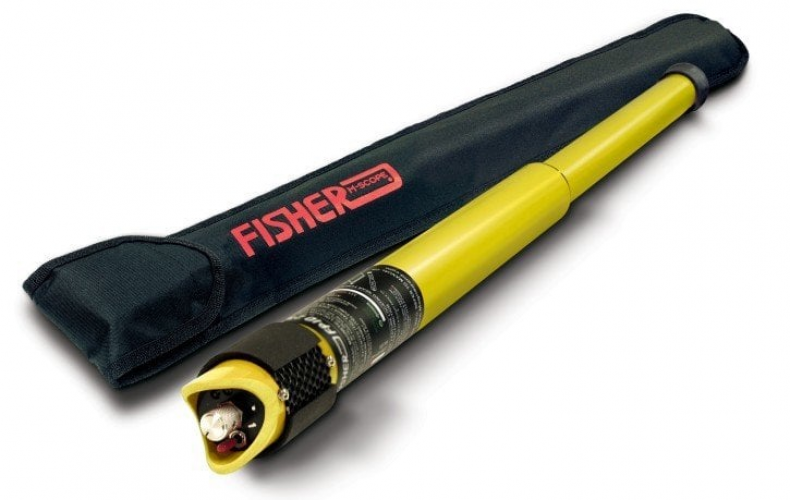
Fisher Fpid 2100
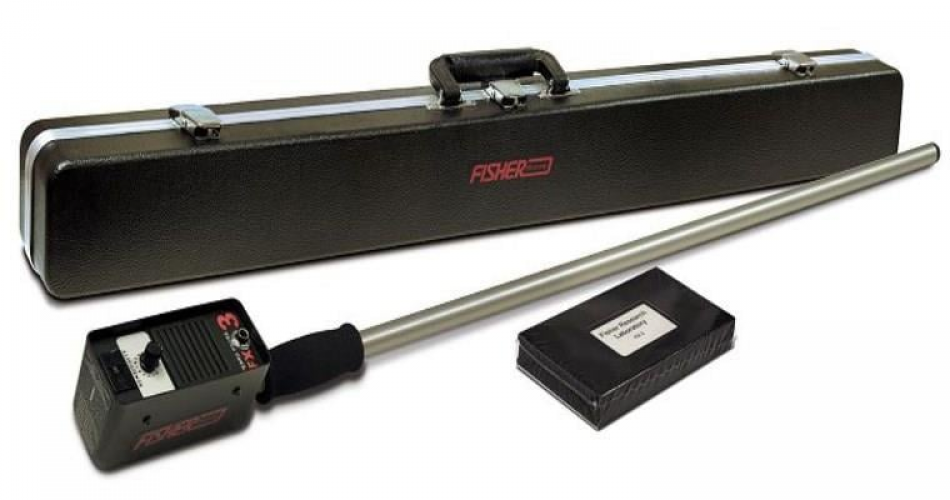
Fisher FX3 Magnetometer
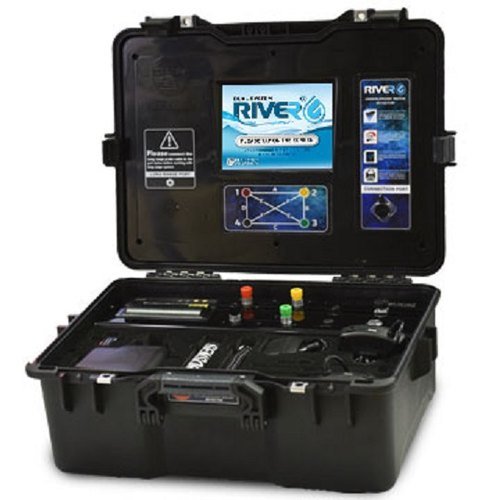
Ger - River G3
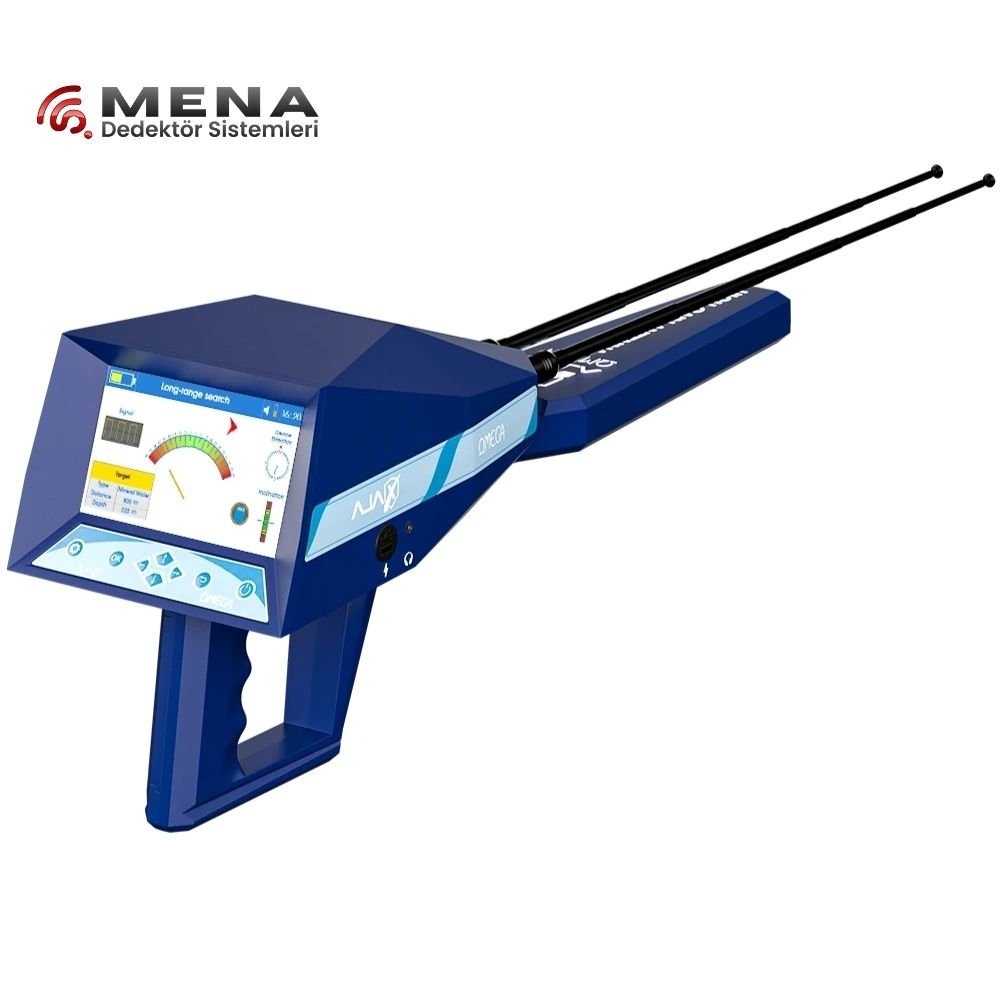
Ajax Omega
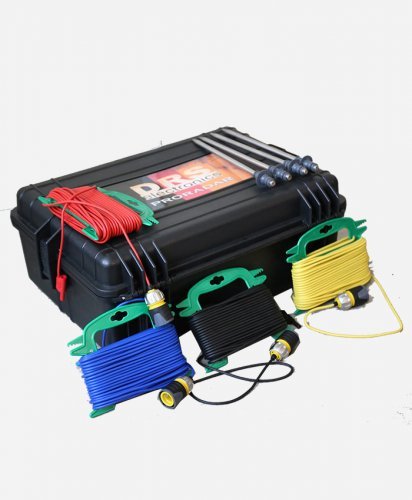
DRS ARS Resistivity Water Detector
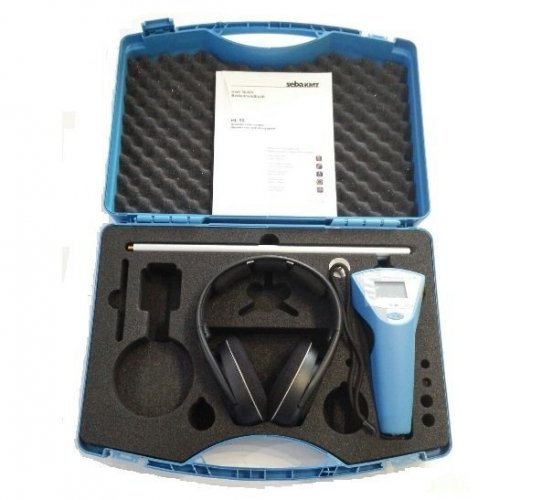
Seba KMT - HL 50 Indoor Water Detector
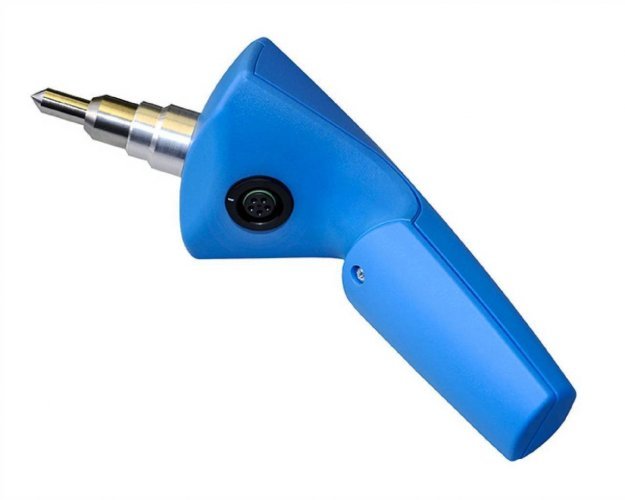
Seba KMT HL 50 Indoor and Valve Listening Microphone Set
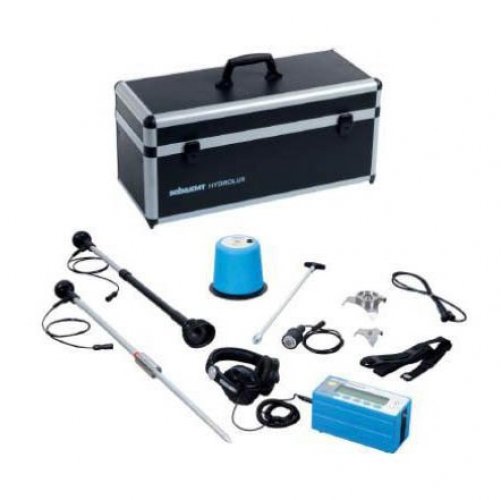
Seba KMT ROLEAK AQUA 5000
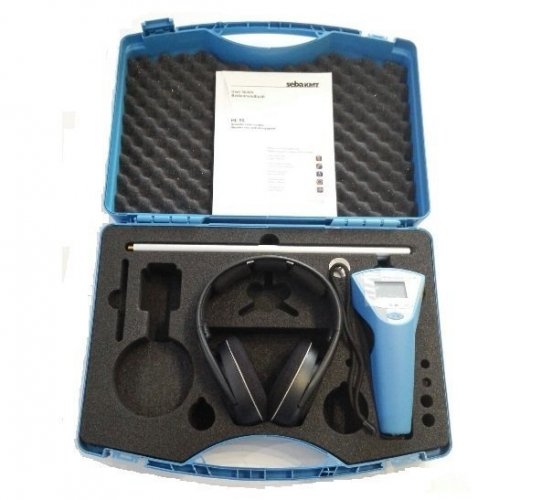
Seba KMT HL 50 Indoor and Outdoor Water Leak Detector
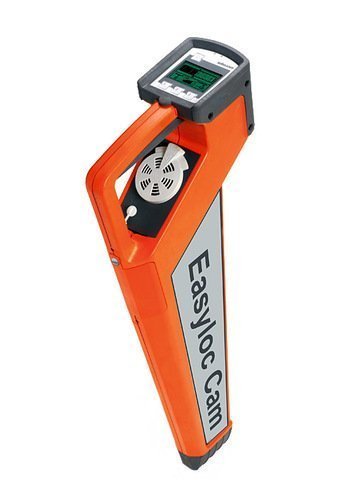
Seba KMT Easyloc
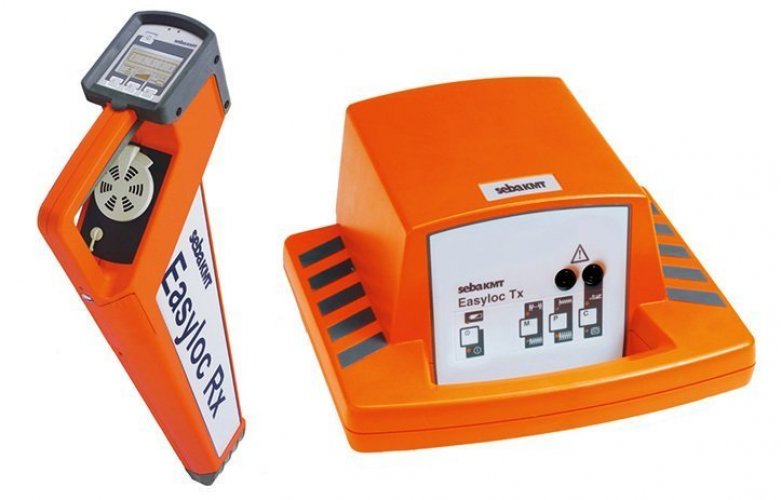
Seba KMT Easyloc Set
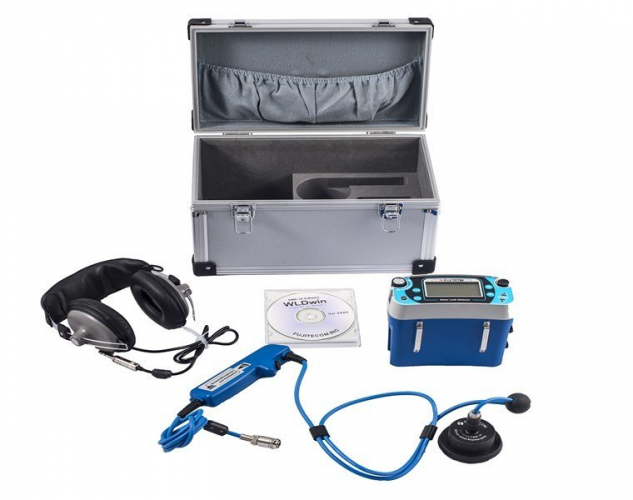
Fuji Tecom DNR-18 Water Leak Detector
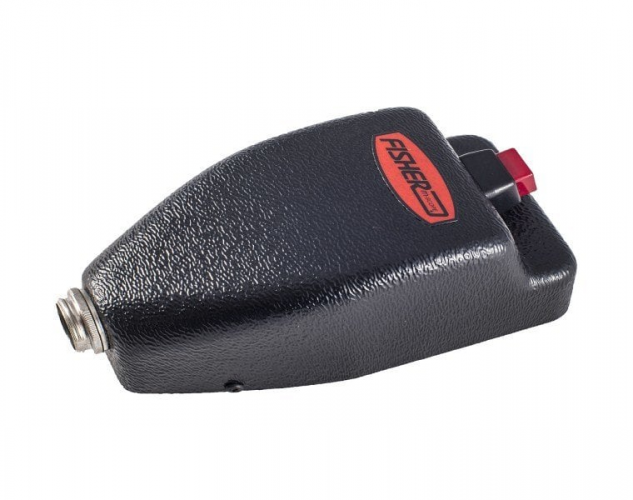
Little foot (wall probe set) for XLT 17 and XLT 30
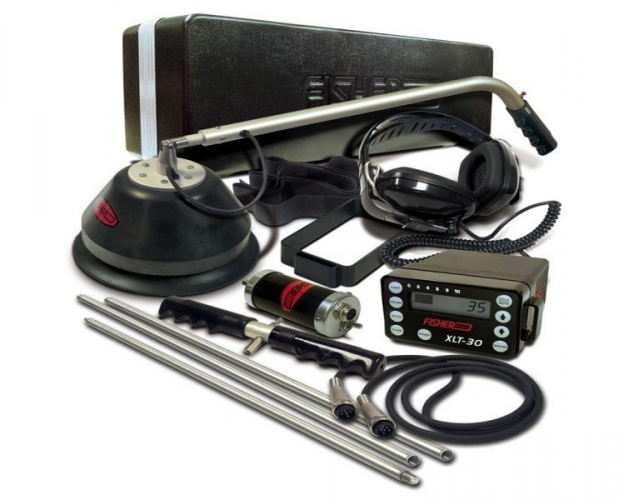
Fisher XLT 30-A Water Leak Detector
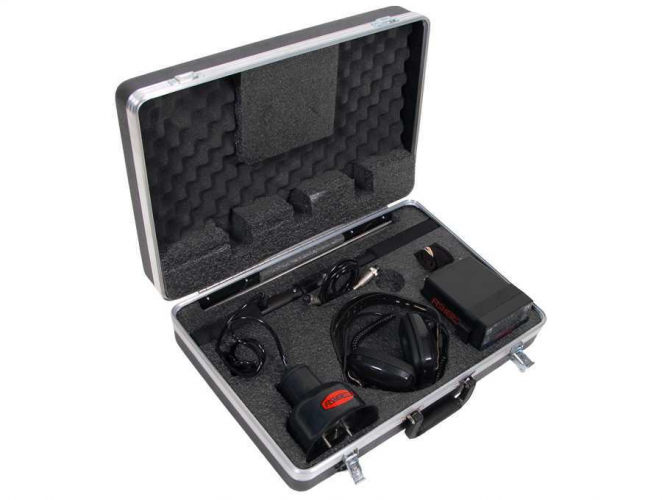
Fisher XLT 17 Water Leak Detector
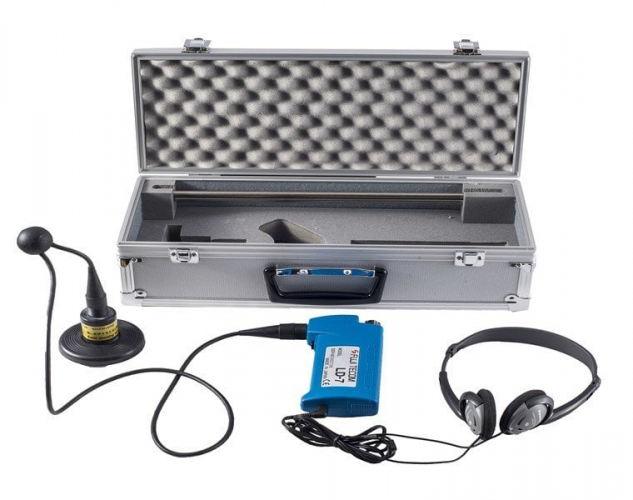
Fuji Tecom - LD-7 Water Leak Detector
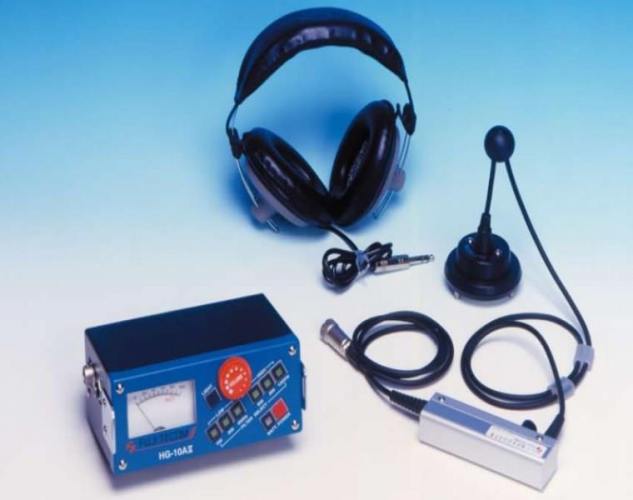
Fuji Tecom - HG10 All Water Leak Detector
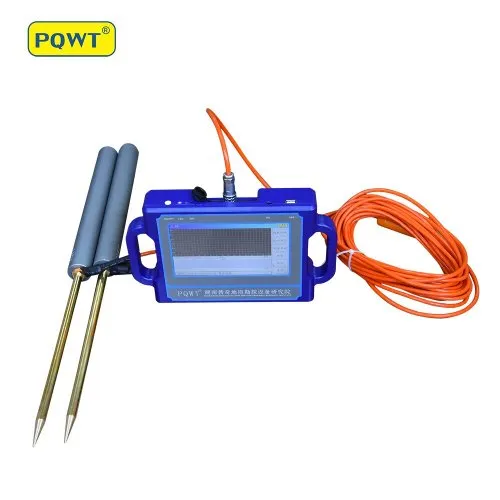
PQWT PQWT-S500 Water Detector
Industrial detector models and maintenance applications
Industrial detection begins with a clearly defined job. A maintenance team may need to locate a covered valve, narrow down a suspected water leak or trace a cable before planned work. Although each task involves information beneath a surface, the instruments do not measure the same physical property. Mena Dedektör's industrial category brings together acoustic leak detection equipment, cable and pipe locating systems, metal cover locators and other subsurface investigation products. Choosing between them requires more than comparing display sizes or headline specifications.
Write down the target material, available access points, surface conditions and expected deliverable before selecting a model. A marked route, a suspected leak position and the location of a buried cover are different outputs. This distinction helps separate direct measurements from interpretations. It also prevents a familiar instrument from being assigned a task outside its capabilities. A catalogue listing establishes that a product is offered for consideration; current availability, package contents and suitability for a particular site still need confirmation.
Water leak detection equipment and acoustic listening
Water leak detection equipment should be assessed in relation to the pipe network and the proposed listening method. A pressurised leak may generate sound that travels through the pipe or surrounding material. Acoustic equipment helps an operator investigate that sound, but pressure, pipe material, joints, cover and background noise influence what can be heard. A quiet reading does not prove that a pipe is intact, and a loud reading needs investigation before it can be attributed to a leak.
The category includes equipment from brands such as Seba, Fuji Tecom and Fisher. Compare the microphone configuration supplied with each package, including whether contact listening and surface listening require different accessories. Traffic, pumps and nearby machinery can complicate interpretation. Filter settings may help isolate useful information, but readings made with different settings should not be treated as directly comparable without explanation. Record the listening location, sensor arrangement and operating conditions so another member of the team can understand how the conclusion was reached.
Cable, pipe, valve and manhole cover locators
An electromagnetic locator can follow a suitable signal associated with a conductive utility. When reviewing a system such as the Seba KMT Easyloc set, examine how the receiver and transmitter are used together. Passive searching and active tracing are different procedures. Direct connection, an appropriate clamp or induction may be relevant depending on access and the manufacturer's instructions. Signal coupling to nearby conductors can create misleading indications, so a single pass should not be accepted as a complete route survey.
A metal cover search has a different objective: locating a relatively localised object beneath a surface. Products such as the Viking Wasp II cover locator should be assessed against the intended target and surrounding metalwork. A vehicle, fence or reinforcement may complicate the response. Similarly, a magnetic instrument such as the Fisher FX3 magnetometer should not be treated as a universal detector for every metal. The physical method and target material determine what a useful response can mean.
Industrial detection equipment comparison
The table below separates common maintenance questions. It does not rank products or assign unmeasured performance scores. More than one method may be useful within a single investigation: route tracing can establish context before acoustic checks at selected points, for example. Equipment used to locate a cover should not be expected to measure leak flow or determine the quality of water inside a pipe.
| Maintenance task | Method to assess | Condition to confirm | Interpretation limit |
|---|---|---|---|
| Suspected pressurised leak | Acoustic listening | Suitable microphone and contact | The sound source needs evaluation |
| Conductive utility route | Electromagnetic locating | Usable signal and connection method | Signals may couple to nearby lines |
| Covered metal access point | Suitable metal or magnetic detection | Target material and nearby metalwork | Material sensitivity varies by method |
| Groundwater investigation | Model-specific geophysical measurement | Survey arrangement and interpretation skills | Water yield and quality are not guaranteed |
For equipment marketed for water investigation or resistivity measurement, establish the physical measurement being made. Electrical resistivity is influenced by geology, clay, moisture and dissolved salts; it is not an exclusive signature of usable groundwater. Electrode layout, ground contact, data recording and interpretation requirements should be understood before using a result to inform drilling. Budget separately for specialist interpretation where needed instead of assuming that purchasing an instrument also supplies a complete geological assessment.
Field checks and repeatable utility locating
Start with available utility plans and maintenance records. Check the instrument on an appropriate known reference, then record survey directions, measurement positions and settings. If repeated readings disagree, investigate changes in contact, sensor position, background noise or operating conditions. Selecting only the strongest reading can conceal these differences. A useful field record makes uncertainty visible and allows a colleague to repeat the inspection, rather than relying entirely on the original operator's memory.
Markings should state whether they represent an interpreted route, an approximate anomaly or an independently confirmed access point. Where a model displays depth, consult the conditions under which that estimate is valid. Multiple utilities, distorted signal geometry and uneven ground can affect interpretation. Detection equipment supports the site's work procedure; it does not replace utility information or appropriate precautions before excavation. Connections to potentially energised infrastructure require suitable training and the relevant working procedures, including the instructions supplied with the instrument and its accessories.
Industrial detector packages, accessories and service
A purchasing comparison should include microphones, transmitter, headphones, connection accessories and transport protection, not simply the main unit. Confirm model compatibility and the exact supplied configuration in writing. Consider power arrangements, charging opportunities, carrying weight and the limits of each component in wet environments. A water resistance statement does not automatically apply to every connector or accessory, and it should never be interpreted as permission to submerge the whole system.
Ask about service arrangements, recommended checks, training scope and data export where relevant. Do not assume that these services are included at no cost. If a demonstration is available, agree on the task and assessment criteria beforehand, preferably under conditions resembling the intended work. A successful demonstration provides information about those conditions, rather than a guarantee for every site. Clear requirements make the commercial comparison more useful because each quotation can be judged against the same operational need.
Explore Mena Dedektör's industrial products by maintenance task and measurement method to build a shortlist suited to your team's actual work.
Industrial detector prices and the complete equipment cost
Industrial detector prices should be compared against the maintenance task. A cable locating package containing only a receiver may differ materially from a set that also includes a transmitter and connection accessories. Water leak detector bundles with different microphones may likewise be intended for different working positions. Listing each component and its purpose makes it easier to see whether an apparently lower price reflects missing equipment. Focus on the parts needed to complete the job rather than the number of accessories in the case.
Consider requirements beyond field operation. User training, manufacturer-recommended servicing or checks, power equipment and software licences may be separate costs. Do not assume they are compulsory for every model or included without charge; establish the relevant scope in the offer. Service arrangements, replacement parts and checks before returning equipment to use also belong in the operating plan. For a maintenance team relying heavily on one instrument, these details provide a more useful comparison than the purchase price alone.
Request quotations using the same task description. Instead of asking only for a pipe detector, specify the pipe material, accessible connection points and required output. For leak investigation, describe the working environment, surfaces and listening positions. Clear requirements help suppliers quote comparable configurations. Check the price against the current contents and delivery terms. An inexpensive system that does not suit the measurement task may still leave the maintenance work unresolved.
Choosing the best water leak detector or cable locator
One instrument should not be expected to answer every infrastructure question. Listening for leakage, tracing a conductive line and locating a buried cover are distinct tasks. Identify the team's common jobs, then record the relevant surfaces, pipe or cable materials and environmental noise. A sensor arrangement useful for indoor facilities maintenance may be less convenient across a large outdoor site. The most appropriate equipment is the equipment whose documented method fits the working procedure.
For acoustic water leak detectors, the listening accessory needs to suit the measurement position. Contact listening at an accessible fitting and examination from the ground surface may require different arrangements. Headphone suitability, sensor connections and understandable controls can also be assessed during a demonstration. More display options do not guarantee easier localisation on every surface. The demonstration should explain the operating conditions under which a sound was recorded and how it was compared with background noise.
For a cable or pipe locator, establish which signals the receiver can assess, whether a transmitter is included and which connection methods are supported. A non-metallic pipe may require a suitable tracing component or another method; the generic product name does not resolve that question. A Seba KMT Easyloc set and a magnetic instrument such as the Fisher FX3 should not be treated as interchangeable alternatives. Review what each device measures and which targets fall within its documented scope.
Selecting valve and manhole cover detectors
Valve and manhole cover locating usually involves narrowing the position of an object hidden by surfacing, soil or accumulated material. Its composition, approximate dimensions and nearby metal influence the choice of method. A response from a cover does not establish the route of a connected pipe or the source of a leak. Where access to the cover is the only task, an appropriate locating instrument can simplify the work. Additional maintenance questions may still require other sensors.
When assessing products listed for this application, such as the Viking Wasp II, consider the handle and search element in the intended working conditions. Movement in confined areas, carrying and repeated use throughout the day affect practical suitability. The setting for a demonstration should be described so that nearby vehicles, fencing or structural metal can be considered. A response over a known cover helps explain operation, but it does not guarantee the same result under every thickness of surface material.
A useful purchasing record also links the instrument to a short operating plan. Identify who holds the equipment, who carries out routine function checks and how observations are recorded. This can reduce information loss when instruments or shifts change. Review Mena Dedektör's industrial detector listings by separating leakage investigation, line tracing and cover location. Defining these tasks individually makes it easier to select a suitable sensor configuration and avoid buying a package whose purpose does not match the job.
Frequently Asked Questions (FAQ)
Can acoustic leak equipment be used on plastic pipes?
It may be suitable, but sound transmission differs from metal pipe networks. Pressure, access points, pipe construction and microphone selection must be considered together.
Does passive tracing reveal every buried cable?
No. A detectable signal must be present and supported by the instrument. An absence of indications does not demonstrate that the ground is free of utilities.
Will a magnetometer directly locate a copper pipe?
Magnetic anomaly detection should not be equated with direct detection of non-ferromagnetic materials such as copper. A different method may be required.
Why do packages with the same main unit differ?
They may include different microphones, transmitters, headphones or connection accessories. Compare the written package contents rather than the model name alone.
Is a displayed depth sufficient for excavation planning?
No. Check measurement validity, route consistency, available utility records and the site's working procedure before relying on the indication.